 Bellingham
 Siding Installation in York: What the Neighborhood Is Up Against
York is one of Bellingham's older, established neighborhoods, which means its housing stock spans several decades of building practices — some of it holding original wood or early fiber-cement siding, some of it carrying vinyl or engineered wood from a remodel that's now aging out. Whatever is currently on the walls, the neighborhood sits close enough to Bellingham Bay and under enough tree cover in places that siding here works harder than siding on a dry, open lot inland. A correct installation in York has to account for that from the first course of siding to the last piece of trim.
This page focuses specifically on siding installation for York homes — not a general overview of siding everywhere in Whatcom County. The climate pressures, the product we install, and the process we follow are the same across Bellingham, but how they show up on a York property — shaded lots, mature landscaping, older homes with settled foundations — is worth addressing directly.
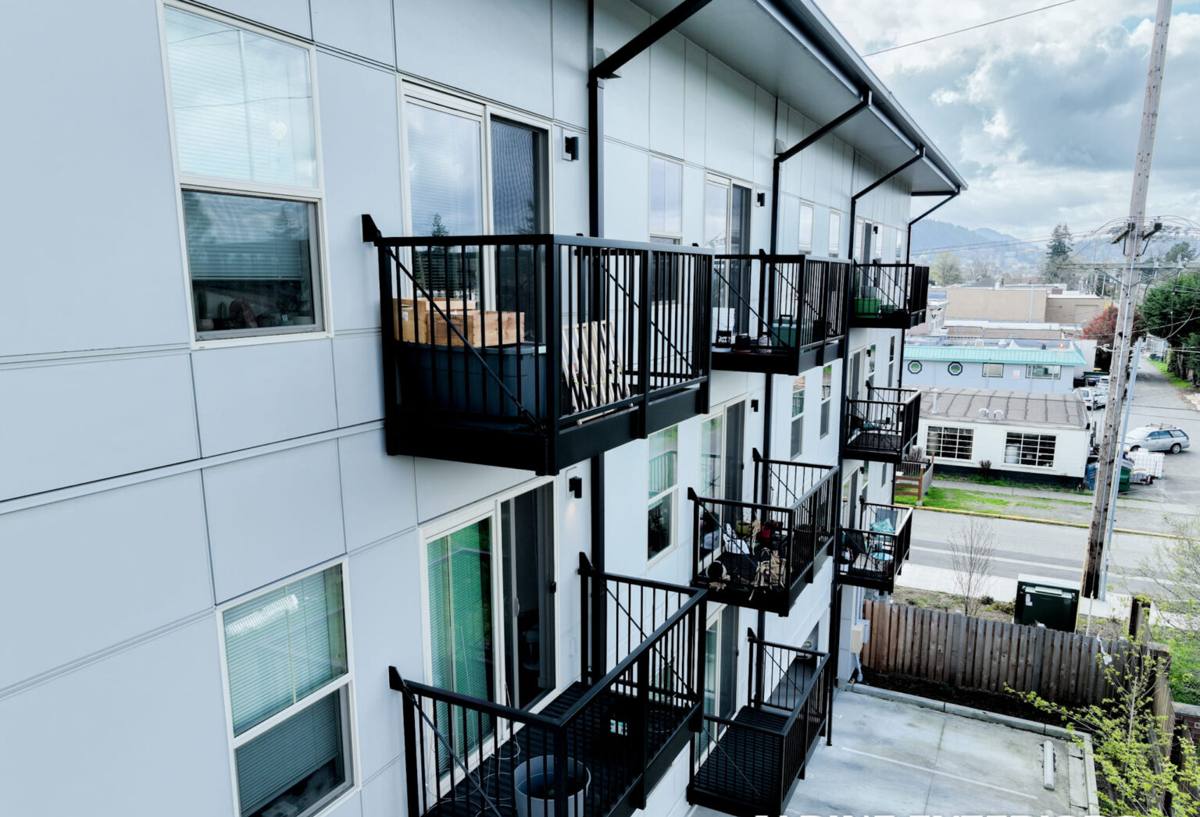
How Whatcom County Weather Attacks Siding
Three things do most of the damage to exterior siding in this part of Washington, and York gets all three.
Salt air off the bay
Homes closer to Bellingham Bay are exposed to airborne salt that accelerates corrosion on fasteners, flashing, and any metal trim. Over years, corroding fasteners can loosen siding panels and create small gaps where moisture gets behind the cladding — long before the siding material itself shows visible wear.
Driving rain, not just rain
Bellingham doesn't just get frequent rain — it gets wind-driven rain that hits walls at an angle instead of falling straight down. That means siding and the water-resistive barrier behind it need to shed water sideways and downward, not just prevent it from soaking straight through. Installation details like flashing laps, house wrap integration, and proper caulking at penetrations matter more here than in drier climates.
A long moss season
Shaded lots and the region's damp, mild winters give moss and algae a long window to establish on north-facing walls and anywhere siding stays wet longer than it should. Moss holds moisture against the surface, which is a problem for materials that swell, rot, or delaminate when saturated — and much less of a problem for materials engineered to resist it.
Why We Install Only James Hardie Fiber Cement
We made a deliberate decision to install one siding system — James Hardie fiber cement — and not vinyl, not LP SmartSide, not Cemplank or Allura, not primed wood. Each of those has legitimate uses; we simply won't put our name behind them here. Vinyl expands and contracts with temperature swings and can warp or crack in impact; engineered wood products rely on factory coatings that need to stay perfectly intact to resist moisture, which is a hard bar to clear in a climate this wet. Fiber cement doesn't rot, doesn't feed moss the way wood-based products can, and doesn't soften when it stays damp for weeks at a time — which, in York, it will.
James Hardie also finishes its boards with a factory-applied ColorPlus coating that's baked on under controlled conditions, rather than a coat of paint applied on-site in whatever weather the install day brings. That matters directly in a climate where a wet or humid install day is more likely than not.
What Correct Installation Actually Requires
Fiber cement is only as good as the installation behind it. A rushed or generic install can undercut even the best siding material, especially in a wet climate. The details that matter most for a York home:
- A continuous, properly lapped water-resistive barrier behind the siding, not just house wrap stapled up quickly
- Correct flashing at every window, door, and roofline intersection, integrated with the barrier so water is directed out, not trapped in
- Manufacturer-specified fastener spacing and nailing patterns — under-fastened siding is one of the most common install shortcuts
- Proper clearance between the bottom of the siding and grade, decks, or roofing, so splash-back and standing water don't sit against the board edge
- Caulking only where Hardie's specifications call for it, since over-caulking can trap moisture instead of shedding it
- Corrosion-resistant fasteners and flashing, which matters more for homes closer to the bay than it would inland
None of this is unique to York, but it's the difference between siding that performs for decades and siding that needs attention again in five or six years.
Our York Installation Process
The process is the same craftsmanship whether the home is a block from the bay or further up the hill, with judgment calls adjusted for each property's exposure and shade.
1. On-site assessment
We look at the existing siding and sheathing condition, drainage around the foundation, tree cover and shade patterns, and any areas showing past moisture issues or moss growth before we ever talk product or price.
2. Tear-off and sheathing check
Old siding comes off and the sheathing underneath gets inspected. Any soft, water-damaged sheathing gets addressed before new siding goes on — covering over a compromised wall doesn't fix it.
3. Water-resistive barrier and flashing
This is the step that determines how the home performs in driving rain, and it's the one most easily shortcut by crews unfamiliar with the climate. We install and lap the barrier correctly and flash every penetration.
4. Hardie installation to spec
Panels or lap siding go up following James Hardie's published installation guidelines exactly, since deviating from spec can affect the warranty as well as performance.
5. Trim, caulking, and final walkthrough
Trim work, touch-up, and a final walkthrough close out the job, with an explanation of basic maintenance specific to a shaded, damp-climate property.
Choosing the Right Hardie Line and Color for This Climate
James Hardie engineers its siding by climate zone, and Whatcom County falls into the colder, wetter zone the company builds its HZ5 product formulation for — meaning the board composition itself is matched to conditions like ours rather than a one-size-fits-all mix. For most York homes we're installing HardiePlank lap siding for a traditional look or HardiePanel for a more modern vertical or board-and-batten style, both available in the ColorPlus factory-finish palette.
| Product | Best for | Notes for this climate |
|---|---|---|
| HardiePlank Lap Siding | Traditional horizontal look, most common on existing York homes | Widely available profiles and ColorPlus colors; matches original siding lines well on remodels |
| HardiePanel Vertical Siding | Modern styling, accent walls, board-and-batten | Fewer horizontal laps means fewer joints for water to find |
| HardieTrim | Corner boards, window and door trim | Matched material avoids the mismatched aging you get pairing fiber cement with wood trim |
Darker ColorPlus colors show less algae and moss staining on shaded, north-facing walls than raw or lightly primed wood surfaces, though no exterior finish is immune to organic growth in a climate this damp — regular gentle washing is still part of ownership.
What Siding Installation Costs Depend On
We won't quote a number without seeing the home, but the honest cost drivers for a York project are usually the same handful of factors.
| Factor | Why it moves the price |
|---|---|
| Home size and wall complexity | More corners, dormers, and roof intersections mean more flashing and cutting labor |
| Sheathing condition | Rot or water damage found during tear-off adds repair scope before new siding can go on |
| Siding profile and trim package | Lap width, panel style, and trim detailing all affect material cost |
| Access and site conditions | Tight lots, mature landscaping, and slopes common in older neighborhoods can slow staging and scaffolding |
| Tear-off scope | Full removal of old siding down to sheathing costs more than installing over an already-sound wall (when appropriate) |
Signs It's Time to Replace Your Siding
Homeowners in York often call us after noticing one or two of these, not because they've done a formal inspection — that's normal, and it's exactly what a free estimate is for.
- Visible warping, cracking, or soft spots you can press in with a finger
- Persistent moss or algae staining that comes back quickly after cleaning
- Paint that's peeling or bubbling rather than just fading
- Rising energy bills with no other obvious cause, suggesting the wall assembly is no longer sealing properly
- Visible gaps at seams, trim, or fastener locations
- Interior signs like musty smells or discoloration on walls that back up to exterior siding
Why Local Experience in York Matters
A crew that's worked in York knows the practical realities of the neighborhood — the mix of older and newer construction, the shaded lots that hold moisture longer, the proximity to the bay that shows up as corrosion on fasteners and trim before it shows up anywhere else. That's not a substitute for following James Hardie's installation spec to the letter, but it does mean fewer surprises during tear-off and a better read on which product line and detailing choices actually make sense for a specific property, rather than a generic recommendation.
If your York home needs new siding — or you're just not sure yet whether repair or replacement makes more sense — we'll come take a look, walk the property with you, and put together a straightforward, no-pressure estimate using the form below.