 Bellingham
 Siding Repair in Sunnyland: What Local Homes Actually Need
Sunnyland sits close enough to Bellingham Bay that homes here deal with a specific combination of stress most siding was never designed to handle for decades on end: salt-laden air drifting off the water, long stretches of driving rain, and a moss season that can run from October through May. None of these things destroy siding overnight. They work slowly, at the seams, the fastener points, and the low spots where water lingers a little longer than it should. By the time a homeowner notices a problem, it's usually been building for a year or two.
That's the core of what siding repair means in a neighborhood like this — not just patching what's visibly broken, but understanding why that spot failed in the first place so the fix actually holds. A repair that ignores the cause just buys a season or two before the same failure shows up again, sometimes worse.
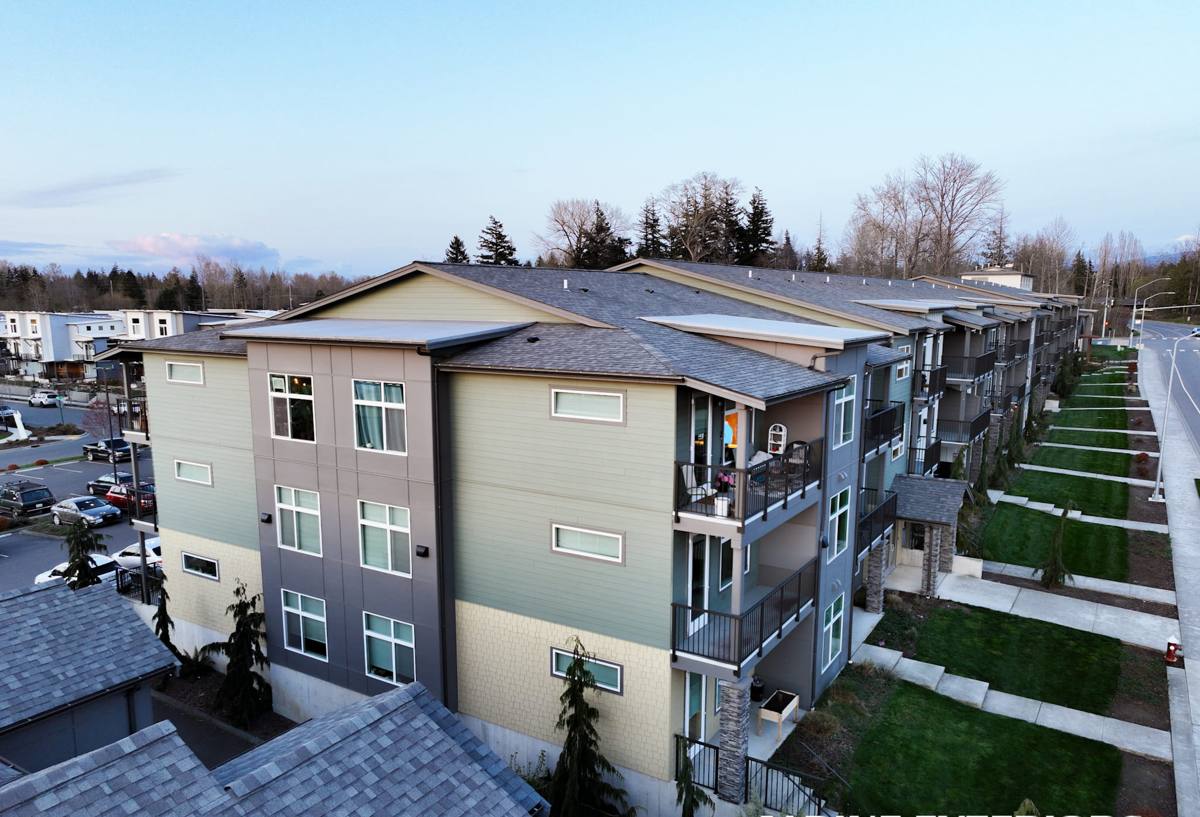
How Whatcom County's Climate Wears Down Siding
Salt Air and Metal Fasteners
Coastal air carries fine salt particles that settle on exterior surfaces and accelerate corrosion of exposed nails, staples, and metal trim. Once fasteners start to rust and weaken, the siding panels they hold can loosen, shift, or pull away slightly from the wall — creating gaps where wind-driven rain gets behind the material.
Driving Rain and Wind-Loaded Water
Bellingham doesn't just get a lot of rain — a good portion of it arrives sideways, pushed by wind off the Sound. That matters because siding systems are built to shed water running down the face of the wall, not water being forced sideways or upward into laps and seams. Homes on more exposed elevations, or with less roof overhang protection, take the brunt of this.
Moss, Algae, and Trapped Moisture
Shaded, damp conditions for much of the year make Sunnyland's tree-lined streets ideal for moss and algae growth on siding, especially on north-facing walls and anywhere siding sits close to landscaping. Moss itself doesn't eat through siding, but it holds moisture against the surface far longer than open air would, and that prolonged dampness is what leads to rot in wood-based products, paint failure, and swelling at panel edges.
Signs Your Siding Needs Repair
Most siding problems give warning signs well before they become structural. Catching them early is the difference between a targeted repair and a much larger job.
- Soft or spongy spots when you press on the siding, especially near the bottom of walls or under windows
- Visible gaps, warping, or panels that have pulled slightly away from the wall
- Paint that's bubbling, peeling, or flaking in a concentrated area rather than evenly across the whole wall
- Persistent moss or algae staining that keeps coming back even after cleaning
- Cracked or chipped sections, often from impact damage or age-related brittleness
- Rust streaks running down from nail heads or trim pieces
- Interior signs — a musty smell, discoloration on interior walls, or peeling interior paint near an exterior wall — that point to moisture getting through from outside
What a Correct Repair Job Involves
A rushed repair looks fine for a photo and fails again within a year or two. A correct one addresses what's underneath the visible damage, not just the damage itself.
Diagnosing the Cause, Not Just the Symptom
Before anything gets replaced, the damaged area needs to be opened up enough to see what's happening behind the siding. Sometimes the siding itself is the whole problem. Often it's a flashing detail, a failed caulk joint, or a drainage path that's been sending water to the same spot for years.
Removing All Compromised Material
Rot spreads. Cutting out only the visibly bad section and leaving softened or moisture-damaged material next to it just relocates the problem a few inches over. A proper repair removes material until solid substrate is reached on all sides.
Checking the Water-Resistive Barrier and Flashing
Whatever house wrap, building paper, or flashing sits behind the siding needs to be intact before new material goes back on. If it's torn, improperly lapped, or missing at a critical point like a window head or wall-to-roof transition, replacing the siding alone won't stop the leak.
Matching Material and Finish
Patch repairs stand out badly when the new material doesn't match the profile, reveal, or color of the existing siding. This matters more with some products than others, which is part of why material choice affects long-term repairability.
Repair Cost Factors
Every repair is different, but the same handful of variables tend to drive cost up or down. This isn't a quote — it's a way to understand what a contractor is actually pricing when they walk your property.
| Factor | Why It Matters |
|---|---|
| Extent of hidden damage | What's found once the siding is opened up often exceeds what was visible from outside |
| Siding material | Some materials are straightforward to patch and color-match; others require replacing a full wall section to avoid a visible seam |
| Wall accessibility | Second-story work, steep grades, and areas near landscaping or fencing add labor time |
| Underlying rot or water damage | Repairing sheathing or framing behind the siding adds real cost but is not optional if it's compromised |
| Flashing and trim work | Fixing the actual water path, not just the siding, is what keeps the repair from recurring |
Repair vs. Replacement: Where to Draw the Line
Not every problem calls for a full re-side, and not every homeowner needs to hear that they do. A general rule of thumb: if the damage is isolated to one or two areas, the rest of the siding is sound, and the cause has been identified and can be corrected, a repair makes sense. If damage is showing up in multiple, unrelated locations across the house, or if the siding material itself is past its useful life, repeated repairs start costing more over a few years than a single replacement would have.
We'll tell you honestly which situation you're in. A contractor who talks every repair into a full replacement, or who patches obvious systemic problems without saying so, isn't doing you any favors either way.
How We Approach Siding Repair Work
Inspection First
We look at the damaged area and the surrounding siding, trim, flashing, and drainage path before recommending anything. If there's a reason to suspect the problem extends beyond what's visible, we'll say so before opening anything up.
Clear Scope Before Work Starts
You'll know what's being removed, what's being checked underneath, and what the repair will look like once it's done — including whether a perfect color match is realistic or whether a section will need repainting to blend in.
Repair Done to the Same Standard as New Installation
Flashing gets corrected, not just covered. Fasteners get set to the material's specification. If we're patching in James Hardie fiber cement, it's installed following Hardie's own fastening and clearance guidelines — the same rules that apply to a full installation — because a repair that ignores those details is really just a delayed second repair.
Why James Hardie Matters, Even for Repair Work
We only install James Hardie fiber cement siding, and that standard applies to repair and patch work too. Fiber cement doesn't rot, and it isn't a food source for the moss and algae that thrive in Bellingham's damp shoulder seasons. When we're cutting into a wall to fix a moisture problem, we're not putting a material back in that will need the same repair again in a few years because it's simply more vulnerable to the conditions that caused the damage in the first place.
Hardie's ColorPlus factory finish also holds up better against fading and touch-up mismatch than field-applied paint, which matters when a repair needs to blend into surrounding panels that have been on the house for years. And Hardie's HZ product lines are engineered specifically for climate zones like ours — moisture and moss resistance built into the product, not something we're relying on paint or caulking alone to provide.
Why a Crew That Already Works Sunnyland Matters
Siding repair isn't generic work. A crew that's worked on homes throughout Bellingham and Whatcom County has already seen how salt air affects fasteners on homes closer to the water, how wind-driven rain behaves on exposed elevations, and which wall orientations tend to hold moss longest through the wet months. That experience shortens the diagnosis step and reduces the odds of missing a related problem nearby.
Local, established crews are also easier to hold accountable. If a repair doesn't hold up, you know where to find us — not chasing down a company that did one job in the neighborhood and moved on.
Keeping Repaired Siding in Good Shape Afterward
Once a repair is done right, a little routine attention keeps it that way. Rinse siding periodically to keep moss and algae from establishing, especially on shaded north-facing walls. Keep gutters clear so overflow isn't running down the siding face. Trim back landscaping that's holding moisture against the wall. And take a walk around the house once or twice a year, particularly after a hard winter, looking for any of the early warning signs covered above — catching a problem at that stage is a much smaller job than catching it two years later.
If you're seeing soft spots, staining, gaps, or paint failure on your Sunnyland home's siding, we're happy to take a look and give you a straightforward read on what's going on and what it would take to fix it properly. Fill out the form below for a free, no-pressure estimate.