 Bellingham
 Cordata's Climate Challenge: Salt Air, Driving Rain, and a Long Moss Season
Cordata sits in the northern reach of Bellingham, close enough to the water that homes here deal with a steady mix of marine air, wind-driven rain, and the deep shade many Whatcom County lots carry from mature evergreens. That combination is hard on exterior siding in ways that don't show up overnight. Salt-laden moisture works into seams and fastener points. Rain doesn't just fall straight down — it gets pushed sideways into laps, corners, and trim by wind off the bay, finding any gap in the water-management details. And where sun exposure is limited by tree cover, moss and algae get a long season to establish themselves on siding surfaces, trapping moisture against the wall longer than a drier, sunnier lot would ever see.
None of this means siding fails fast in Cordata. It means siding that isn't engineered for this climate, or wasn't installed with the right water-management details, tends to fail quietly — moisture gets behind the cladding before anyone notices a problem on the surface. By the time paint is peeling or boards are soft, the damage is often already in the sheathing. A siding replacement done right in this neighborhood has to account for all of this from the first day of planning, not just match the old siding with something new.
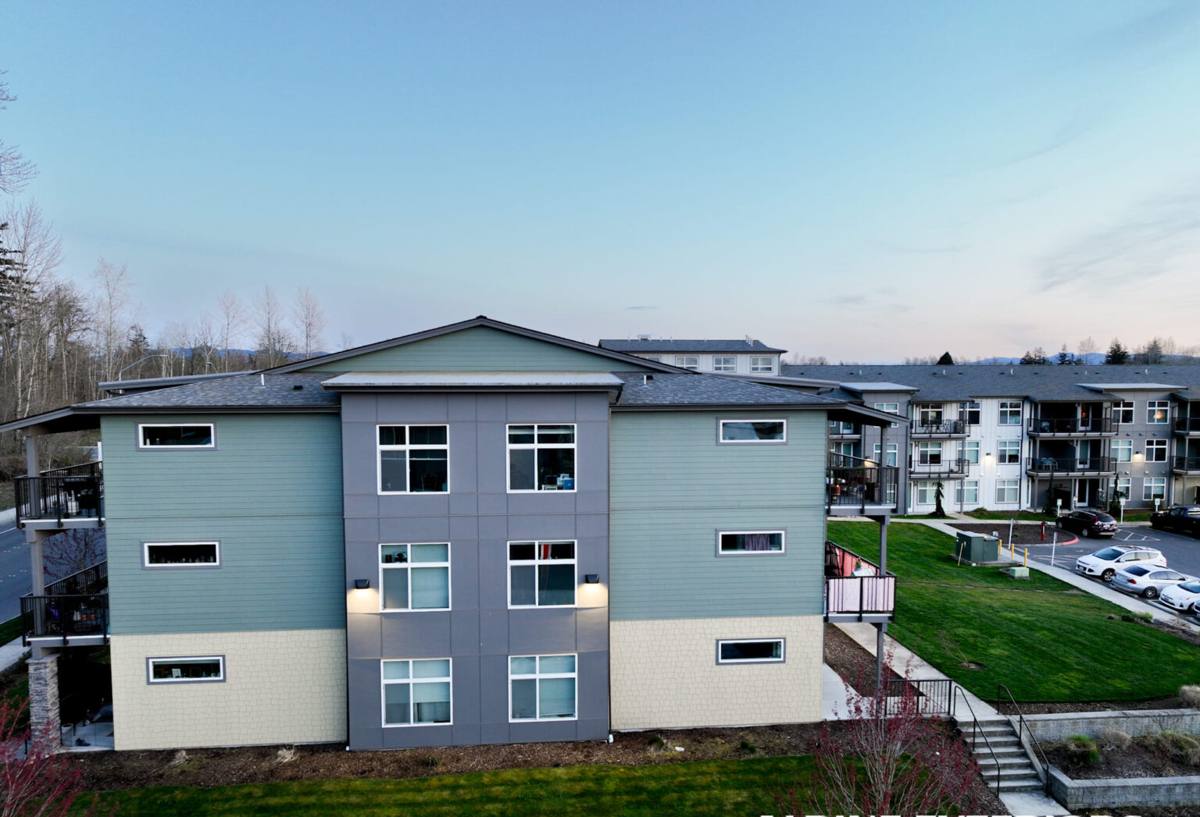
Signs a Cordata Home Needs Siding Replaced, Not Just Patched
Homeowners often ask whether a section can be repaired instead of a full replacement. Sometimes it can. But certain signs point to a bigger problem underneath that a patch won't fix:
- Soft or spongy spots when you press on the siding, especially near the bottom courses or under windows
- Paint that keeps failing in the same spots within a year or two of repainting
- Persistent moss or algae growth that returns quickly after cleaning, particularly on the north and west-facing walls that get less sun
- Visible cupping, warping, or separation at the seams, common on older wood or engineered wood products that have taken on moisture
- Gaps opening up around trim, window casings, or corner boards
- A musty smell in an adjacent interior wall or a noticeable rise in heating bills without another explanation
Any one of these can be isolated and minor. Several at once, especially on a home more than 15-20 years old, usually means the water-resistive barrier or the siding material itself has reached the end of its useful life, and patching would just be delaying a full replacement while more sheathing damage accumulates behind it.
Why Fiber Cement Is What We Install on Whatcom County Homes
We install James Hardie fiber cement siding exclusively. That's not a marketing preference — it's a standard we hold because of what this climate does to alternatives over time. Fiber cement is non-combustible, dimensionally stable across the wet-dry cycles that define a Bellingham winter and summer, and it doesn't feed moss and algae growth the way some wood-based and engineered wood products can when moisture sits against them for extended periods. James Hardie also engineers specific product formulations for different climate zones, and their HZ5 line is built for the kind of freeze-adjacent, moisture-heavy conditions that Whatcom County sees, rather than a one-size-fits-all product.
We don't install vinyl, LP SmartSide, Cemplank, Allura, primed spruce, or cedar, and we're upfront about why. Vinyl can warp and fade in direct sun exposure and doesn't hold up as well to impact in colder temperatures. Engineered wood products depend heavily on maintaining an intact factory coating — any breach at a cut edge or fastener hole becomes a moisture entry point in a climate that gives that moisture months to work. Cedar and primed spruce are real wood, and real wood in a marine, moss-friendly climate means an ongoing maintenance commitment most homeowners don't want to sign up for indefinitely. James Hardie's ColorPlus factory finish, backed by a real transferable warranty, gives us a product we're comfortable standing behind for the specific conditions Cordata homes face.
What ColorPlus Actually Buys You
ColorPlus is a baked-on, factory-applied finish rather than a job-site paint job. It resists fading and holds up to UV exposure better than field-applied paint, and it comes with its own finish warranty separate from the substrate warranty on the siding itself. In a climate where repainting is disruptive — wet weather limits the window for exterior paint work — starting with a factory finish that doesn't need repainting for many years is a real practical advantage, not just a cosmetic one.
What a Correct Siding Replacement Job Actually Involves
Tear-Off and Wall Inspection
Replacement starts with full removal of the old siding, not siding-over-siding. That's the only way to actually see the sheathing and framing underneath. In Cordata, where we're often dealing with homes that have sat under moss and trapped moisture for years, this step is where hidden rot, compromised sheathing, or failed old flashing gets found and dealt with before anything new goes up. Any soft or damaged sheathing gets replaced, not covered.
Moisture Barrier and Flashing Details
This is the step that matters most for long-term performance and the one most likely to get shortcut by crews unfamiliar with the demands of a wet, wind-driven climate. A correctly installed weather-resistive barrier, properly lapped and taped, combined with correct flashing at every window, door, deck ledger, and penetration, is what actually keeps wind-driven rain out of the wall assembly. Siding itself is the visible layer, but it's the water-management system behind it that determines whether a home stays dry through thirty years of Bellingham winters.
Installation to Manufacturer Spec
James Hardie siding has specific fastening patterns, clearances, and gap requirements that are engineered into the product's warranty. Correct fastener spacing, proper clearance from grade and roof lines, and correct caulking at joints all affect how the product performs over time. Installed loosely or with shortcuts, even the best product can underperform. We install to Hardie's published specifications because that's what keeps the manufacturer's warranty intact and keeps water out.
Trim, Corners, and Finish Details
The finish details — corner boards, trim around windows and doors, caulking joints — are where a lot of long-term problems either get prevented or get built in. These are also the spots most exposed to wind-driven rain, so getting the sequencing and sealing right here is not cosmetic, it's functional.
Our Process for Cordata Homeowners
- On-site estimate: We walk the exterior with you, look at the current siding condition, check for signs of moisture damage, and talk through what your home actually needs — not a generic package.
- Scope and product selection: We confirm the James Hardie product line, profile, and color that fits the home and the site conditions (sun exposure, tree cover, wind exposure).
- Prep and protection: Landscaping, walkways, and windows get protected before tear-off begins.
- Tear-off and sheathing inspection: Old material comes off, sheathing gets inspected and repaired as needed.
- Weather barrier and flashing installation: The water-management layer goes in before a single piece of new siding is hung.
- Siding installation: Installed to manufacturer spec, with attention to fastening, clearances, and joint treatment.
- Trim and finish work: Corners, trim, and caulking completed.
- Final walkthrough: We review the completed job with you and address anything before calling it done.
Cost Factors for Cordata Siding Replacement
Every home is different, but the factors that move the price on a Cordata siding replacement are consistent. This isn't a quote — it's what actually drives the number up or down.
| Factor | Why It Matters |
|---|---|
| Extent of hidden damage found at tear-off | Rotted sheathing or framing found under old siding needs repair before new siding goes on |
| Home size and wall complexity | More corners, dormers, and trim details mean more labor and material cuts |
| Siding profile and product line | HardiePlank, HardiePanel, and shingle-style profiles differ in material and labor cost |
| Access and site conditions | Steep lots, tree cover, or tight access on some Cordata properties affect staging and labor time |
| Trim and detail work scope | Full trim replacement versus reusing sound existing trim changes both cost and long-term performance |
| Existing moisture/moss damage | Homes with a long history of trapped moisture often need more sheathing repair than the siding condition alone suggests |
James Hardie Product Lines That Fit This Climate
James Hardie offers several siding profiles, and the right one depends on the home's style and the specific exposure it faces. HardiePlank lap siding is the most common choice for traditional home styles and handles wind-driven rain well when installed with correct laps and clearances. HardiePanel works well for more modern or board-and-batten looks. HardieShingle gives a cedar-shake appearance without the maintenance burden real cedar shingles carry in a moss-prone climate. All of these are available in the HZ5 formulation engineered for climates like ours, and in a range of ColorPlus factory finish colors that hold their color without the repainting cycle a field-applied finish requires.
Why a Crew That Already Works Cordata Matters
Siding replacement done right depends on understanding the specific way a climate stresses a wall assembly, and that's something you learn by doing the work repeatedly in the same conditions, not by reading a spec sheet. A crew that regularly works Bellingham and greater Whatcom County homes has already seen how wind-driven rain behaves against different home orientations in this area, where moss tends to establish first, and which flashing details actually hold up through a full wet season here. That local, repeated experience shows up in the small decisions made on site — how a valley gets flashed, how much clearance gets left at grade, how joints get sequenced before a rain system rolls in. It's also simpler logistically: a local crew can respond quickly if something needs a follow-up look after the first real storm season tests the new installation.
Maintenance After Replacement
James Hardie siding, correctly installed, is genuinely low-maintenance compared to the alternatives — but "low-maintenance" isn't "no-maintenance," especially in a climate that grows moss well. A simple annual routine keeps a new installation performing the way it's designed to:
- Rinse the siding annually, focusing on shaded, north- and west-facing walls where moss and algae take hold first
- Keep gutters clear so overflow doesn't run down the wall face
- Trim back vegetation and tree branches that keep siding sections shaded and damp longer than necessary
- Inspect caulking at trim joints and penetrations every year or two and have any cracked or failed caulk redone promptly
- Watch for any soft spots or discoloration near grade, decks, or roof intersections and have them checked early rather than waiting
If you're seeing signs of trouble on your Cordata home's siding, or you're just planning ahead for a replacement, we're happy to take a look and give you a straightforward, no-pressure estimate — no obligation, just an honest read on what your home actually needs.