 Bellingham
 Window Replacement Built for Sunnyland's Climate
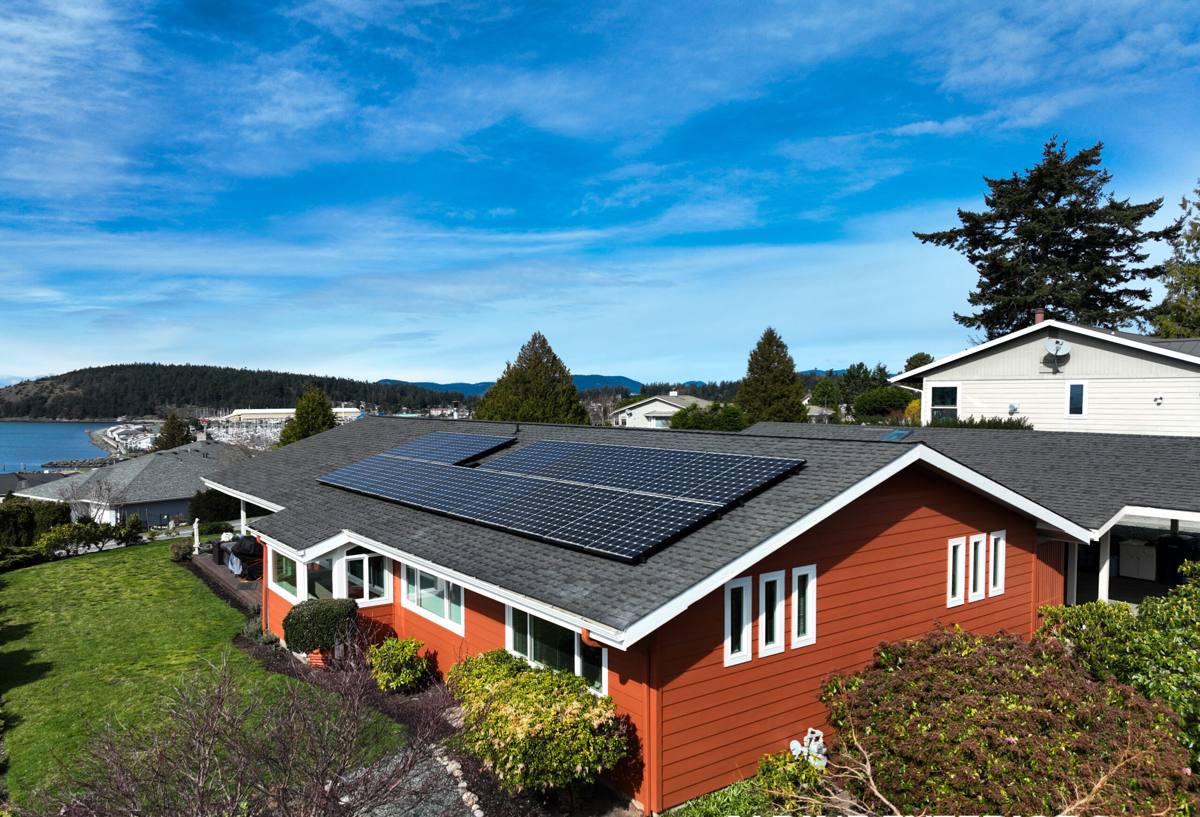
Sunnyland sits close enough to Bellingham Bay that its homes take on a different kind of weathering than houses further inland. Salt-tinged air moves through the neighborhood off the water, driving rain comes in sideways during the fall and winter storm cycle, and the moss season here doesn't really end so much as it pauses. All three of those conditions work directly on window assemblies — frames, seals, sills, and the wall structure around them. A window replacement job in Sunnyland that doesn't account for this is a job that will need to be revisited in a few years.
We work on a lot of homes in this part of Bellingham, and the pattern is consistent: it's rarely the glass that fails first. It's the frame material breaking down, the sealant giving out, or moisture finding a path into the wall cavity through a gap nobody could see from outside. Getting window replacement right here means treating it as a moisture-management job first and a glass-and-frame upgrade second.
What Whatcom County Weather Does to Windows Over Time
Salt Air
Proximity to the bay means airborne salt settles on exterior surfaces more than homeowners further from the water expect. It's not enough to damage most modern window materials outright, but it accelerates corrosion on unprotected metal hardware — hinges, cranks, and lesser-grade fasteners — and it can degrade certain finishes faster than the manufacturer's climate testing assumed. We favor hardware and finishes with better corrosion resistance for anything within a few miles of the water.
Driving Rain
Bellingham's winter storms don't just drop rain straight down — wind pushes it horizontally against west- and south-facing walls, which is exactly the orientation that catches the most water pressure against a window unit. A window that's watertight in a light, vertical rain can still leak under wind-driven rain if the flashing, sill pan, and sealant details weren't done correctly. This is the single biggest cause of the water damage we get called out to diagnose in older Sunnyland homes.
Long Moss Season
Moss doesn't grow on window glass, but it grows aggressively on the wood trim, siding, and sills around windows in the shaded, damp conditions common here — and moss holds moisture against the surface it's growing on. Around older wood-framed windows, that means prolonged dampness against exactly the material most vulnerable to rot. Part of doing this job right in Sunnyland is choosing materials and details that don't give moss a foothold right at the window perimeter.
Common Window Problems We Find in Sunnyland Homes
- Wood sills and lower frame corners soft or rotting from years of trapped moisture
- Failed seals on older dual-pane units, showing up as fogging or condensation between the panes
- Hardware — cranks, locks, hinges — corroded or seized from salt air exposure
- Sealant that's cracked, shrunk, or pulled away from the frame, leaving gaps for wind-driven rain
- Missing or improperly lapped flashing behind the trim, invisible until a wall is opened up
- Single-pane or early dual-pane windows that were adequate decades ago but now underperform for comfort and energy cost
- Wood trim and casing with active moss growth holding moisture against the wall
What a Correct Window Replacement Involves
Replacing a window is straightforward in concept — old unit out, new unit in — but the details that determine whether it lasts happen in the parts you don't see once the trim goes back on.
Removal and Inspection
When we pull the old window, we look at the rough opening: the sheathing, the framing, and any sign of past water intrusion. This is often the first real look anyone's had at that part of the wall in years, and in a damp climate like this one, it's worth doing properly rather than assuming everything underneath is fine.
Sill Pan and Flashing
A sloped sill pan and correctly lapped flashing — installed so water is directed out and down, never trapped or directed inward — are the single most important details for long-term performance in a wind-driven-rain climate. This is also the step most likely to get shortcut on a rushed job, because it's invisible once the window is set.
Setting the Window
The unit needs to be level, plumb, square, and properly shimmed, with the right gap around the perimeter for insulation and sealant. A window that's slightly racked in the opening will stress the seals and hardware over time, even if it looks fine on install day.
Air Sealing and Insulation
Low-expansion foam or backer rod and sealant around the frame perimeter closes the gap between the window unit and the rough opening — this is where a lot of a home's air leakage and drafts actually originate, more than through the glass itself.
Exterior Sealant and Trim
The exterior seal has to shed water, not just look finished. We use sealants rated for the movement and exposure a Bellingham wall assembly sees, and we pay attention to trim details that don't give moss and moisture a place to sit against the wood.
Choosing Frame Materials for This Climate
There's no single "best" window material for every home — it depends on the house's age, the budget, and how much upkeep an owner wants to take on. Here's how the common options stack up for a damp, salt-air, moss-prone environment like Sunnyland:
| Material | Moisture & Salt Air Behavior | Maintenance | Typical Fit |
|---|---|---|---|
| Vinyl | Doesn't rot or corrode; performs well near the coast | Low — occasional cleaning | Most cost-conscious replacements |
| Fiberglass | Very stable in wet, salt-exposed conditions; minimal expansion/contraction | Low | Homes wanting higher durability and a longer service life |
| Wood (with cladding) | Good if the exterior face is fully clad; exposed wood is vulnerable to rot and moss | Higher — cladding protects, but sills and interior wood still need attention | Homes prioritizing a traditional interior look |
| Aluminum | Corrosion-resistant coatings help, but bare or worn finishes are vulnerable to salt air over time | Moderate | Specific architectural or modern-look applications |
For most Sunnyland homes, we steer owners toward vinyl or fiberglass for the field of the house, reserving clad-wood for cases where the look is the priority and the owner understands the maintenance trade-off. This isn't a knock on wood windows generally — it's a reflection of how much upkeep exposed wood needs in a climate that rarely gives it a chance to fully dry out.
Glass and Energy Performance
Double-pane, low-E glass with an argon fill is the standard baseline we install now, and it's a meaningful step up from the single-pane or early dual-pane units common in older Sunnyland homes. Beyond comfort, it cuts down on the condensation that shows up on cold glass surfaces during our wet winters — condensation that, left unmanaged, contributes to the same moisture load that drives rot and mold around a window opening. For homes with particular noise or exposure concerns, triple-pane or upgraded spacer systems are worth discussing, but for most single-family homes here, a quality double-pane unit covers what the climate demands.
Our Process for Sunnyland Window Replacement Projects
- On-site assessment of existing windows, framing condition, and any visible moisture or rot damage
- Honest recommendation on which windows need replacement now versus which can wait
- Written estimate covering material options, so you're choosing based on real numbers, not guesswork
- Scheduled installation with attention to weather — we plan around Bellingham's rain patterns so openings aren't left exposed longer than necessary
- Proper flashing, sill pan, and sealant work at every opening, not just the ones that are easiest to reach
- Final walkthrough so you know what was done and what to watch for going forward
Why It Matters to Hire a Crew That Already Works This Neighborhood
Window replacement mistakes in a climate like Whatcom County's don't usually show up right away — they show up two or three winters later, as a soft sill, a fogged pane, or a damp patch of drywall below a window. A crew that already does this work regularly in Sunnyland and the surrounding Bellingham neighborhoods has seen the specific failure patterns this environment produces and builds the job around avoiding them, rather than following a generic installation checklist written for a drier climate. That local pattern-recognition is worth as much as the window unit itself.
Signs It's Time to Replace
- Visible fog or moisture between panes of glass — the seal has failed
- Soft, spongy, or discolored wood at the sill or lower frame corners
- Drafts you can feel around the frame even with the window fully closed and latched
- Windows that are difficult to open, close, or lock due to warping or hardware failure
- Persistent moss or dark staining on the trim and sill surfaces
- Noticeably higher heating bills with no other explanation
If you're noticing any of these signs, or you'd just like an honest read on where your windows stand, we're happy to take a look. Reach out for a free, no-pressure estimate — the form below will get you started.