 Bellingham
 Window Replacement Built for Sehome's Weather, Not Just Its Style
Sehome is one of Bellingham's older, more established neighborhoods, and that shows up in the windows we get called out to look at. A lot of homes here are still running original single-pane or early double-pane units, sometimes with storm windows added later as a workaround. That approach made sense decades ago. It doesn't hold up well against what Whatcom County throws at a window year after year: salt-laden air rolling in off the bay, long stretches of driving rain, and a moss and mildew season that can run most of the year in shaded, tree-covered lots. Replacing windows in Sehome isn't just a style upgrade. It's a chance to fix a weak point in the house that's been quietly working against you.
This page is about that one job, in this one neighborhood: what the climate actually does to windows here, what a correct replacement looks like, and why it matters to hire a crew that already understands Sehome's housing stock rather than treating every job as a generic install.
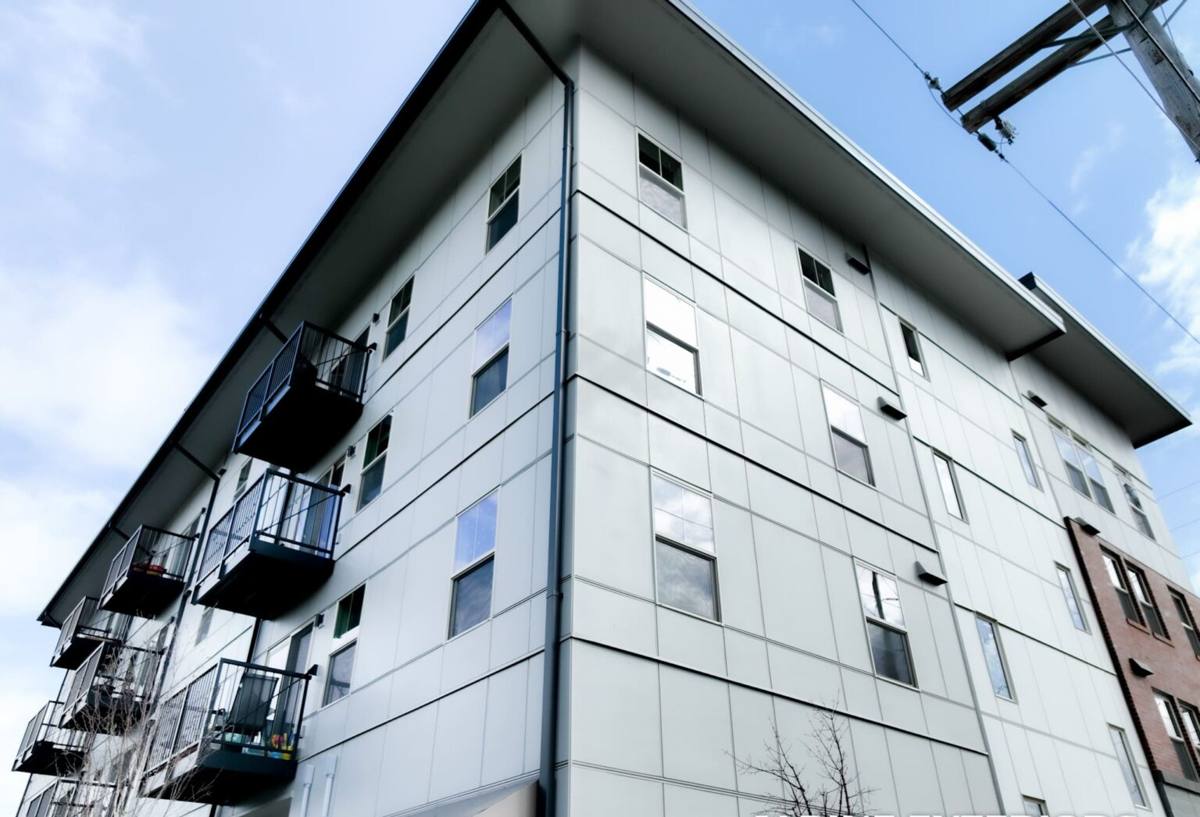
What Bellingham's Climate Does to Older Windows
Three regional conditions do most of the damage, and they compound each other over time.
Salt air and corrosion
Being close enough to the water to catch salt-carrying air means metal components — hardware, weep systems, and some older aluminum frames — corrode faster here than they would further inland. Once hardware seizes or a frame starts to pit, seals stop doing their job even if the glass itself looks fine.
Driving rain and wind-driven moisture
Bellingham doesn't just get rain, it gets rain pushed sideways by wind off the water often enough that it matters. Older windows were rarely detailed with the flashing and drainage systems that hold up under sustained wind-driven rain. Water finds the path of least resistance, and in an aging window that's usually around the frame, not through the glass.
Moss, mildew, and a long damp season
Sehome's mature tree cover and shaded lots keep humidity high around the building envelope for much of the year. Wood sills and frames that stay damp longer grow moss and mildew, and once organic growth gets a foothold in a sill or jamb, it holds moisture against the wood and accelerates rot from the inside out.
None of these problems are dramatic on their own. They're slow. That's exactly why so many Sehome homes end up with windows that "still work" but are quietly losing the fight against the climate.
Signs a Sehome Home Needs Window Replacement, Not Just Repair
- Fogging or a hazy film between panes on double-pane units — the seal has failed and the insulating gas is gone
- Visible moss, black staining, or soft spots on wood sills, especially on north-facing or tree-shaded walls
- Windows that are hard to open, won't stay open, or rattle in wind — often corroded hardware or a swollen frame
- A cold draft near the frame on a windy, rainy day even when the window is fully closed
- Paint that keeps failing on the interior sill no matter how often it's touched up
- Visible daylight or gaps around the frame from the outside
- Noticeably higher heating bills in a home that hasn't changed how it's used
One or two of these might be fixable with sash repair, new weatherstripping, or re-glazing. Several at once, especially combined with soft wood or persistent moss, usually means the window and its surrounding frame have absorbed enough moisture that replacement is the more honest recommendation.
What a Correct Window Replacement Actually Involves
A window replacement is only as good as what happens before and after the new unit goes in. Around here, the installation details matter more than the window brand.
Full removal, not insert-over-insert
Pocket replacements that drop a new sash into an old frame are faster and cheaper, but they trap whatever moisture damage is already in that old frame. For homes showing any sign of rot, staining, or soft wood, we recommend a full-frame removal so we can actually see and fix what's underneath instead of building a new window on top of a compromised one.
Flashing and drainage that match wind-driven rain
Given how often rain here comes in sideways, flashing needs to shed water down and out, not just seal the gap. That means proper sill pans, correctly lapped house wrap, and drainage that gives any water that does get in a way back out — instead of a bead of caulk being asked to do a flashing detail's job.
Insulation and air sealing around the new frame
Gaps around a new frame get sealed with low-expansion foam or backer rod and sealant, not stuffed with excess fiberglass that can hold moisture. This is also the point where a lot of the draft and energy-loss problems from the old window actually get solved, since it's the gap around the frame, not just the glass, that usually leaks air.
Interior and exterior finish work
Trim, sill, and paint or caulk lines get finished so the house looks intentional, not patched. On older Sehome homes with existing trim profiles, we match what's there rather than defaulting to a generic replacement look.
Choosing the Right Window for This Climate
Frame material matters more here than in drier inland climates, because the frame is what's constantly exposed to salt air and moisture, not just the glass.
| Frame Material | How It Handles This Climate | Maintenance |
|---|---|---|
| Vinyl | Doesn't corrode or rot; handles moisture and salt air well; good value | Low — occasional cleaning |
| Fiberglass | Very stable in temperature swings and moisture; strong long-term performer near the coast | Low |
| Wood (clad exterior) | Warm interior look; exterior cladding protects against rain and moss if detailed correctly | Moderate — interior finish upkeep |
| Bare wood | Traditional look but most vulnerable to Bellingham's damp season without diligent upkeep | High — regular painting/sealing |
| Aluminum | Prone to corrosion in salt air and conducts cold; we don't recommend it for this area | Moderate to high |
Where a homeowner wants the look of natural wood on an older Sehome home, exterior-clad wood windows are usually the better call than bare wood — you keep the interior warmth of wood with an exterior surface that's actually built for the rain and moss cycle.
Glass and gas fill
Double-pane, low-E glass with an argon fill is the practical standard for this climate — it manages both heat loss and the condensation that shows up on cold, damp mornings. Triple-pane can make sense for a north-facing or particularly exposed wall, but it's not a blanket necessity for every window in a Sehome home.
Our Process, Start to Finish
- Walkthrough and assessment — we look at every window being considered, check sills and frames for hidden moisture or rot, and note anything that changes the scope before we ever quote it
- Written estimate — a clear breakdown of materials, installation method (full-frame vs. insert, where each makes sense), and timeline
- Scheduling around weather — we plan installs to minimize how long any opening is exposed, which matters given how quickly weather can turn here
- Removal and inspection — old windows come out, and we address anything we find in the framing before the new unit goes in
- Installation — proper flashing, air sealing, and fastening per the manufacturer's instructions, not shortcuts
- Finish work — trim, caulking, and cleanup so the job looks done, not just functional
- Final walkthrough — we operate every window with you before we call it complete
What Affects the Cost of a Window Replacement
| Factor | Why It Matters |
|---|---|
| Full-frame vs. insert installation | Full-frame costs more but is often necessary where there's existing moisture damage |
| Frame material | Vinyl is typically the most budget-friendly; fiberglass and clad wood cost more upfront but hold up longer near the coast |
| Number and size of openings | Larger or custom-sized windows cost more than standard sizes |
| Existing rot or hidden damage | Repairing framing or sheathing found during removal adds cost but prevents a repeat failure |
| Trim and finish complexity | Matching existing trim profiles on an older home takes more labor than a simple flat trim replacement |
We give straightforward written estimates before any work starts, and we flag likely hidden-damage costs during the initial walkthrough rather than surprising you mid-project.
Why Hiring a Crew That Already Works Sehome Matters
Sehome's mix of older homes, mature landscaping, and proximity to the water means the windows here fail in fairly predictable ways — but only if you've actually seen enough of them to recognize the pattern. A crew that works this neighborhood regularly knows to check north-facing sills first, expects to find moss-related sill damage on shaded lots, and details flashing for wind-driven rain as a matter of course, not an afterthought. That familiarity shows up in fewer surprises during the job and fewer callbacks after it.
It also means realistic scheduling. We know how quickly a dry window can turn into a wet one here, and we plan installs accordingly instead of leaving a house exposed longer than it needs to be.
A Quick Pre-Estimate Checklist
- Note which windows fog, stick, or draft, and on which side of the house
- Check visible sills for soft spots, staining, or moss
- Have your home's approximate age and window type (single-pane, older double-pane, etc.) handy
- Decide which rooms matter most if you're phasing the project rather than doing all windows at once
- Think about whether you want to match existing trim or update the look
If your Sehome home has windows that fog, stick, draft, or show signs of moss and moisture damage, it's worth getting an honest look before another wet season passes. We offer free, no-pressure estimates — use the form below to get started.